 comparison
Single Origin vs Blend Coffee Explained (2026 Guide)
Table of Contents
- Single Origin vs Blend Coffee: What's the Difference?
- Coffee Flavor Profiles Explained: Terroir vs. Consistency
- Why Single Origin Costs More (And Is It Worth It?)
- How to Brew Single Origin Coffee for Best Results
- Blends: The Best Coffee for Busy Mornings
- Storage and Freshness: Shelf Life of Single Origin vs. Blends
- Which Should You Choose? A Practical Decision Guide
- Conclusion
- Frequently Asked Questions
Last Updated: September 8, 2026
Single Origin vs Blend Coffee: What's the Difference?
A coffee blend combines beans from multiple origins, while single origin coffee comes from one specific farm, region, or country. That distinction drives flavor, price, consistency, and brewing. At Ridgeline Trail & Coffee, we roast both, and the choice between single origin vs blend coffee explained simply comes down to what you value more in your cup.
Single origin coffee is grown in one geographical region, often from a single farm or cooperative. Blends combine beans from several places to hit a target flavor profile. Think of it like a vineyard wine versus a blended table wine. The single vineyard bottle expresses a specific place; the blend is engineered for a reliable, crowd-pleasing result.
A common mistake is assuming one is inherently better. They serve different purposes. Single origin rewards curiosity with complexity and traceability. Blends reward practicality with consistency and balance. Your morning routine, brewing setup, and taste preferences should dictate which belongs in your grinder.
Coffee Flavor Profiles Explained: Terroir vs. Consistency
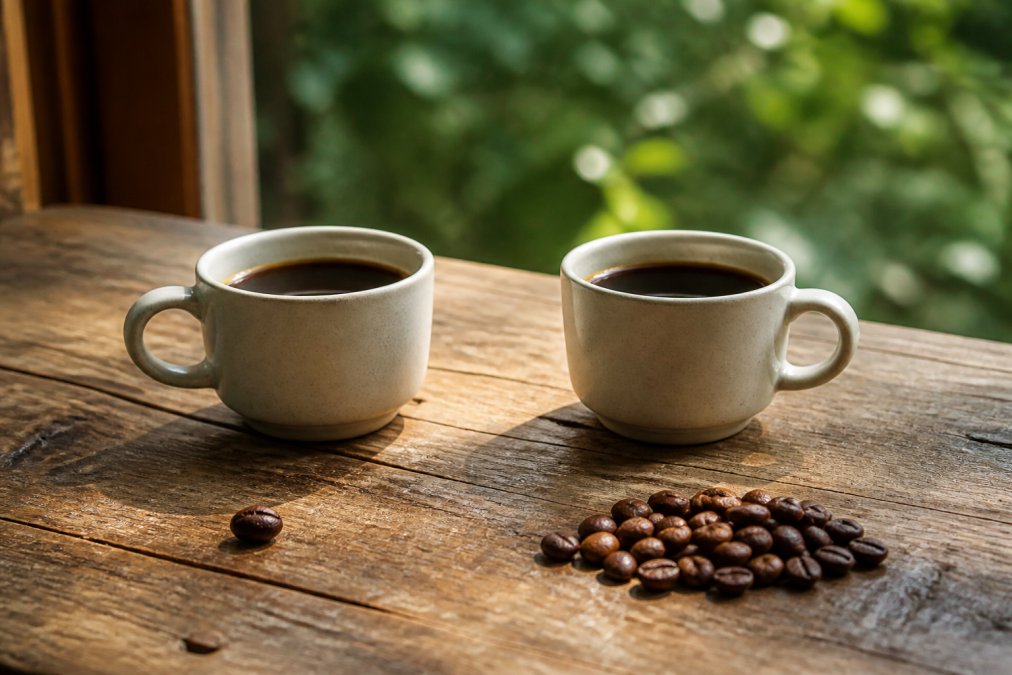
Coffee flavor profiles explained through the lens of terroir reveal why single origins taste so distinct. Terroir covers altitude, soil type, rainfall, and temperature. A coffee grown at 1,700 meters in Ethiopia's Sidama zone tastes nothing like one grown at 750 meters in Brazil.
Take our Colombia single origin. Grown at 1,300 to 1,500 meters by smallholder farmers near Medellin, it delivers dried orange, berry, and chocolate notes. The fully washed process and solar drying preserve a bright, clean acidity specific to that region and processing method, you cannot replicate it by blending.

Blends, by contrast, aim for uniformity. A house blend like our 6Bean combines coffee from around the world to create a dark, espresso-friendly cup that tastes the same bag after bag. For a busy morning, that predictability is the entire point.
How Processing Methods Shape Single Origin Taste
Processing is where single origin coffee gets its signature. The washed process removes the coffee cherry fruit before drying, yielding a cleaner, brighter cup with pronounced acidity. The natural process dries the whole cherry on raised beds, producing heavier body and fruity, fermented notes. The honey process splits the difference.
Our Bali Blue uses wet-hulling, a method common in Indonesia. The result is dark chocolate, molasses, and brown sugar with a heavy, syrupy body. Compare that to our Brazil Santos, pulped natural and sun dried, which gives an elegant, smooth cup with cocoa notes. Same bean family, different process, completely different experience.

Why Single Origin Costs More (And Is It Worth It?)
Single origin commands a premium because it is harder to source and produce. Farmers grow specific varietals at altitude, often on small plots, and process them carefully to preserve distinct characteristics. Micro-lots and seasonal availability mean limited supply. Blends let roasters buy whatever beans fit the profile at the best price, smoothing out cost and harvest fluctuations.
Is the premium worth it? That depends on how you drink coffee. If you brew black and enjoy exploring nuance, acidity, and body, single origin delivers an experience blends cannot match. The traceability alone, knowing the grower and the region, adds value for many specialty coffee drinkers.
If you add milk and sugar or need a reliable daily driver, the added cost may not translate to a better cup for you. A well-crafted blend at a fair price will serve you better. The Single Origin Favorites Sample Pack at $28.99 lets you taste six different origins in 2oz packs before committing to a full bag, which is the smart way to decide if the premium is worth it for your palate.
How to Brew Single Origin Coffee for Best Results
Brewing single origin coffee well isn't about a single magic recipe; it's about adapting your technique to the bean's density and processing. Most guides stop at 'use a 16:1 ratio,' but the real pro-sumer move is understanding that a washed Ethiopian and a natural Brazilian require opposite ends of the extraction spectrum.
The Grind Size and Water Temperature Matrix
The key variable is the bean's physical density. High-altitude single origins from places like Ethiopia or Kenya are often denser and roasted lighter to preserve delicate, floral acidity. This density means water struggles to penetrate the bean, so you need to grind finer than for a typical dark roast and use more thermal energy. Start with water just off the boil at 205°F to 207°F. If your cup tastes sour or salty (under-extracted), grind finer or extend your total brew time.
Conversely, a lower-grown, natural-processed single origin from Brazil has a softer bean structure. Grinding too fine or using water that's too hot will over-extract soluble compounds, leading to a bitter, hollow, or ashy cup. For these beans, back the temperature down to 198°F to 202°F and grind slightly coarser to keep the sweetness balanced.
Dialing in by Process
- Washed Origins: These are the most forgiving. The clean, dense bean structure benefits from a higher coffee-to-water ratio (1:15) to highlight acidity. Use a pour-over method like a V60, but watch your pour height; a high and aggressive pour can agitate the bed too much, stalling the drawdown and creating astringency.
- Natural Origins: These have a heavier body and lower perceived acidity. To avoid a muddy, syrupy cup, use a slightly higher ratio (1:16 or 1:17) to keep the intensity in check. A flat-bottom brewer like a Kalita Wave or a French press is ideal here, as it promotes even extraction without clogging the filter with the fine 'chaff' that naturals often produce.
The 'Turbo Shot' for Espresso
If you are pulling single origin espresso, the rules change entirely. A standard 1:2 ratio at 9 bars of pressure often makes light-roasted single origins taste sour and thin. A common pro-sumer pattern is the 'turbo shot': grind coarser, use a 1:2.5 or 1:3 ratio, and pull the shot in 15 to 20 seconds. This lower pressure and faster flow rate extracts the bright, fruity notes without the harsh bitterness that comes from a long, high-pressure extraction of a light roast.
The Water Quality Check
Your water is a bigger variable than your grinder. If your tap water is hard (above 150 ppm total dissolved solids), it will mute the delicate acidity of a single origin. If you are serious about tasting the terroir, consider a simple jug filter or a remineralization pack. The difference between filtered water and tap water is often the difference between tasting 'orange zest' and tasting 'generic coffee.'
Blends: The Best Coffee for Busy Mornings
For the best coffee for busy mornings, a solid blend wins nearly every time. You do not want to think about grind size, water temperature, and extraction yield before your first cup, you want coffee that tastes good, brews consistently, and pairs well with whatever you add to it.
Our Best Sellers Sample Pack at $28.99 shows the range a good blend lineup can cover. The Cowboy Blend mixes dark and medium roasts for cocoa, caramel, and vanilla tones. The Breakfast Blend is a smooth South American mix designed for drip brewers. The 6Bean is a dark house blend built for espresso.
Blends also tolerate more brewing mistakes. A slightly off grind size or water temperature will not ruin the cup the way it can with a delicate single origin. If you are rushing out the door or just want a dependable mug, a blend removes the variables that make coffee frustrating.
Storage and Freshness: Shelf Life of Single Origin vs. Blends
Freshness matters more than origin type, but the type of staleness you experience differs significantly between the two. Most articles just say 'store in an airtight container,' but the real distinction lies in how the flavor profile degrades.
The Chemistry of Degradation
Coffee staleness is primarily driven by oxidation and the off-gassing of carbon dioxide. The volatile aromatic compounds that give single origins their distinctive 'blueberry' or 'jasmine' notes are incredibly fragile and begin oxidizing within minutes of roasting. In a single origin, these delicate top notes are the entire value proposition. Once they fade, usually within 10 to 14 days of the roast date, the coffee tastes flat and often develops a papery or woody quality.
Blends, on the other hand, are engineered for robustness. Roasters use blending to create a flavor profile that relies on heavier, more stable compounds like dark chocolate, caramel, and toasted nuts, far less volatile than the fruity esters in a light roast. A blend will lose its vibrancy, but it won't 'fall off a cliff' the way a delicate single origin does; it degrades more gracefully, maintaining a balanced, if muted, flavor for a longer window.
The Degassing Timeline
- Days 1-3: Beans are releasing significant CO2. This is too soon to brew espresso (the gas creates channeling), but fine for pour-over if you let the grounds bloom properly.
- Days 4-14: The ideal window for single origins. The flavors are fully developed and the aromatics are at their peak. This is when you should be brewing your most expensive, exotic lots.
- Days 15-30: Single origins will start to taste hollow. Blends, however, are often hitting their stride here, especially darker roasts where the flavors have had time to meld.
The 'Blend Buffer' Advantage
There is a practical advantage to blends here that is rarely discussed: the 'buffer' effect. Because a blend contains beans from multiple harvests and regions, the roaster can adjust the recipe to compensate for the age of the raw beans. A single origin lot is what it is, if the harvest was delayed and the beans are older, the roaster has no other components to hide that staleness. With a blend, the roaster can swap in a fresher Brazilian lot to mask a slightly older Sumatran one, meaning the roasted blend you buy is often more consistently fresh than a single origin.
Storage Tactics for Each
For single origins, buy smaller bags (8oz or less) and plan to consume them within two weeks. Do not buy a 2lb bag of a rare Gesha; you will lose the nuance you paid for. For blends, you can safely buy larger quantities, but you should still transfer the beans to an opaque, airtight container with a one-way valve. Avoid the freezer for daily-use coffee; the temperature shock creates condensation that accelerates staling.
Which Should You Choose? A Practical Decision Guide
Choose single origin when you want to explore, taste terroir, and brew with intention. Choose a blend when you want reliability, convenience, and a coffee that works with milk or in espresso. Most coffee drinkers end up keeping both on hand.
| Consideration | Single Origin | Blend |
|---|---|---|
| Flavor | Distinct, region-specific | Consistent, balanced |
| Traceability | High, know the grower | Low, multiple sources |
| Price | Higher, limited lots | Lower, year-round |
| Best brewing | Pour-over, manual | Drip, espresso, French press |
| Ideal for | Curious drinkers, black coffee | Busy mornings, milk drinks |
If you are new to specialty coffee, start with a sample pack to taste several single origins side by side. That comparison teaches you more about your palate than reading any guide. If you already know you want a dependable daily cup, grab a blend.
The real answer to single origin vs blend is that you do not have to pick one forever. Keep a blend for weekdays and a single origin for weekend brewing, consistency when you need it and exploration when you have time to enjoy it.
Conclusion
Choosing between single origin and blend coffee does not have to be complicated. Single origin offers distinctive flavors tied to specific regions, while blends deliver dependable consistency for everyday drinking. Your brewing setup, morning routine, and willingness to experiment should drive the decision.
At Ridgeline Trail & Coffee, we roast both single origins and blends because both belong in a well-stocked kitchen. Our single origin lineup showcases farms from Brazil to Ethiopia, while our blends are built for busy mornings and espresso. Browse the coffee collection and find the roast that fits your routine.
Frequently Asked Questions
Is single origin coffee better than a blend?
Neither is inherently better. Single origin coffee showcases distinct flavors from one farm or region, like the cocoa notes in Brazil Santos or the dried orange and berry profile of a Colombia. Blends combine beans to create a consistent, balanced cup. Your choice depends on whether you value unique flavor profiles or uniform taste. For espresso, blends often perform better due to their balanced extraction.
Why is single origin coffee more expensive?
Single origin coffee costs more because it comes from specific farms or cooperatives, like the smallholder farmers in Medellin, Colombia. These beans are often grown at higher altitudes, harvested selectively, and processed with care. The limited supply and full traceability from farm to bag add to the price. Blends can use beans from multiple origins, letting roasters manage costs while keeping a consistent flavor profile.
Is espresso a single origin or a blend?
Espresso is a brewing method, not a type of coffee. Traditionally, roasters use blends for espresso because combining beans from different regions creates a balanced shot with good crema and consistency. Many specialty roasters now offer single origin espressos that highlight unique tasting notes, like the dark chocolate and molasses of a Bali Blue. Try both to see which profile you prefer.
How should I store single origin and blend coffee to keep it fresh?
Store both types in an airtight container away from light, heat, and moisture. Whole beans stay fresh for about 2 to 4 weeks after roasting, while ground coffee loses flavor faster. Buy in smaller quantities and grind just before brewing for the best extraction. The shelf life is similar for single origin and blends, so focus on proper storage rather than the coffee type.
What is the best coffee for busy mornings?
For busy mornings, a consistent blend saves you from dialing in a new brew each day. Blends like a house breakfast blend or a dark roast 6Bean blend deliver the same cup every time, which works well with auto-drip machines or a quick pour-over. If you prefer variety, a sample pack with different single origins lets you explore flavors without committing to a full bag.
Get started with Ridgeline Trail & Coffee and find a coffee that matches how you actually brew.