 listicle
Best Single Origin Coffee for Espresso: 10 Picks Ranked
Last Updated: November 3, 2026
Quick Summary
The best single origin coffee for espresso is Bali Blue, a medium-dark coffee with dark chocolate, molasses and brown sugar notes that shines in milk drinks. Colombia is the most balanced everyday option, while Ethiopia Natural suits light-roast fans. Every coffee in our lineup is a single origin and comes in at $26.99 with an espresso grind option.
- Bali Blue is our top pick for latte and cappuccino drinkers who want chocolate-forward sweetness.
- Colombia balances dried orange and berry against a chocolate base as a house espresso.
- Sumatra offers a syrupy, earthy shot grown by the KBQB co-op in the Aceh highlands.
- Beginners with a basic machine should start with Bali Blue or Colombia for forgiving shots.
- Check for a roast date, a suitable roast level and tasting notes you like before buying.
Table of Contents
- How We Ranked These Single Origin Espresso Coffees
- Quick Comparison: 10 Single Origin Coffees for Espresso
- 1. Bali Blue: Best Dark-Chocolate Espresso for Milk Drinks
- 2. Colombia: The Most Balanced Everyday Espresso
- 3. Guatemala: Full Body With Bright Fruit
- 4. Sumatra: Syrupy and Earthy for Straight Shots
- 5. Ethiopia Natural: Fruity and Sweet for Light-Roast Fans
- 6. Peru: Silky and Sweet for a Smooth Morning Cup
- Single Origin Coffee vs. Espresso Blends: Which Should You Buy?
- Espresso Grind Size and Extraction: Dialing In a Single Origin
- How Roast Level Changes Espresso Flavor
- Choosing by Setup and Experience Level
- The Rest of the Lineup: Papua New Guinea, Kenya, Tanzania and Uganda
- What to Look For When Buying Single Origin Espresso Beans
- Find Your Next Espresso Bean
- Frequently Asked Questions
How We Ranked These Single Origin Espresso Coffees
The best single origin coffee for espresso holds its character under pressure: it keeps its sweetness and body without turning bitter or hollow in a short shot. Single origin coffee comes from one growing region, farm or cooperative rather than a blend, which is why its flavor profile stays readable in the cup.
At Ridgeline Trail & Coffee we judged each coffee on four things: how it behaves as an espresso shot, how the roast level suits espresso extraction, how it tastes in milk-based drinks, and how forgiving it is to dial in at home. A bright, floral coffee can be a lovely filter coffee and a frustrating espresso bean.
Quick Comparison: 10 Single Origin Coffees for Espresso
Here is the full lineup at a glance. Every coffee in this comparison is a single origin, and every one comes in at $26.99 with an espresso grind option.
| Coffee | Roast | Tasting Notes | Best For |
|---|---|---|---|
| Bali Blue | Medium-dark | Dark chocolate, molasses, brown sugar | Milk drinks |
| Colombia | Medium | Dried orange, berry, chocolate | Everyday balanced shots |
| Guatemala | Medium | Dark chocolate, bright fruit, butterscotch | Full body, straight or iced |
| Sumatra | Medium | Dark chocolate, dried fruit, earthy | Syrupy straight shots |
| Ethiopia Natural | Medium-light | Milk chocolate, fruit, caramel | Light-roast fans |
| Peru | Medium | Salted caramel, citrus | Smooth morning cup |
| Papua New Guinea | Medium | Caramel, honey, fruit | Sweet, easy drinking |
| Kenya | Medium | Orange, lemon, floral | Bright, lively shots |
| Tanzania | Medium-light | Pear, jasmine, strawberry | Floral, tea-like shots |
| Uganda | Medium | Floral, chocolate, dark fruit | Light body, mild acidity |
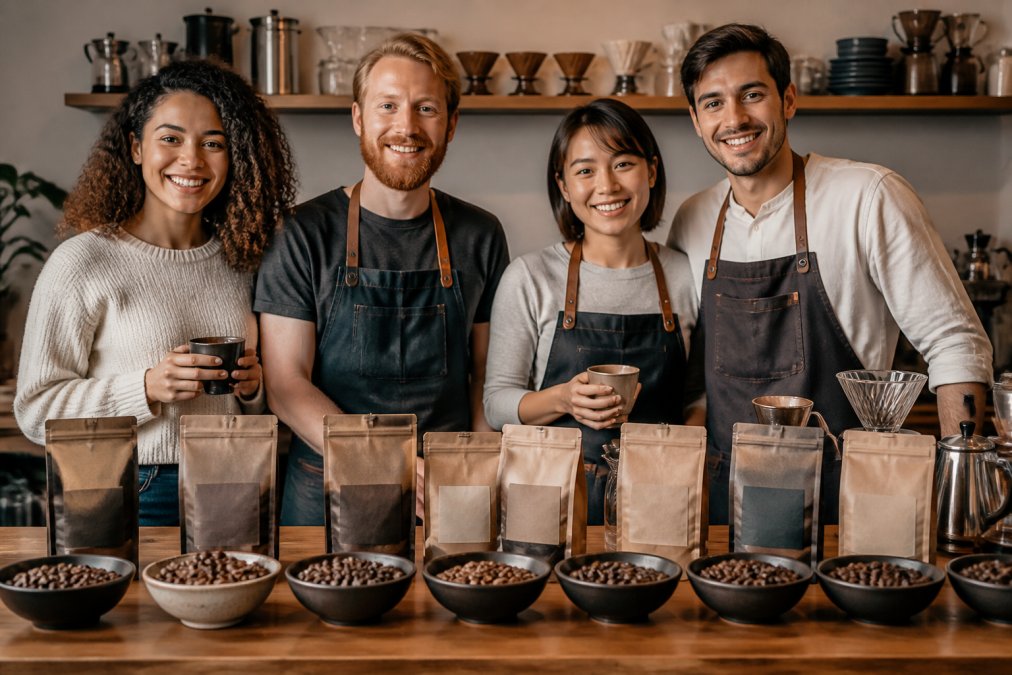
If you would rather try several before committing, a single origin favorites sample pack lets you taste across origins side by side.
1. Bali Blue: Best Dark-Chocolate Espresso for Milk Drinks
Bali Blue is our top pick for anyone pulling shots for lattes and cappuccinos. The medium-dark roast brings dark chocolate, molasses and brown sugar notes.
Grown by smallholder farmers on the volcanic slopes of Kintamani, it has a deep, sweet, dark-chocolate character.
The tradeoff is that it is not a delicate coffee. If you drink straight shots and want fruit and florals, look further down this list.
Best for: latte and cappuccino drinkers who want chocolate-forward sweetness. Skip if: you prefer bright, fruity straight espresso.
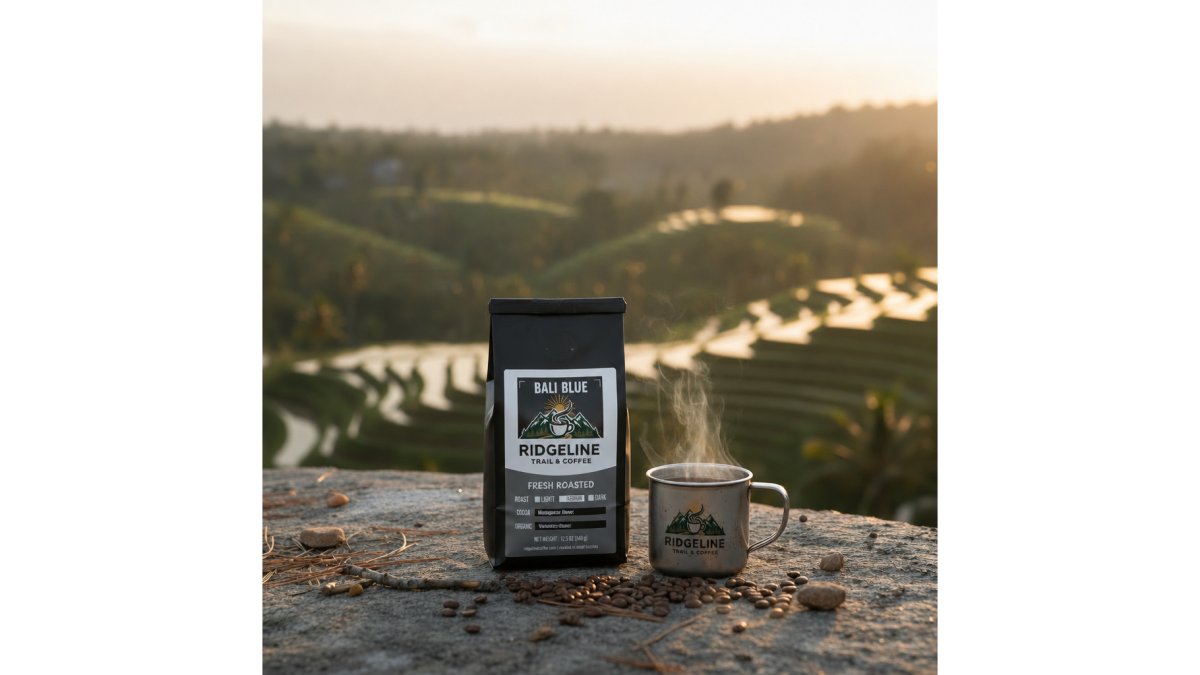
Ready to try it? Shop Bali Blue whole bean and select the espresso grind at checkout.

2. Colombia: The Most Balanced Everyday Espresso
From smallholder farms around Medellín, this medium roast balances dried orange and berry against a chocolate base, with acidity, sweetness and body in proportion. It is a good daily espresso and a good entry point to single origin coffee.
Pull it straight in the morning, then use the same bag for an afternoon latte.
Where it falls short: it will not surprise you. If you already know you love fruit-forward espresso, Colombia may read as safe rather than exciting.
Best for: a house espresso that pleases everyone. Skip if: you want a strongly distinctive flavor profile.
Shop Colombia beans for your next bag.

3. Guatemala: Full Body With Bright Fruit
Grown in Antigua's volcanic highlands, it shows dark chocolate, bright fruit and butterscotch with a full, satisfying weight. The fully washed, sun-dried process keeps the fruit note clean rather than muddy.
Best for: drinkers who want full body with a fruit edge. Skip if: you prefer a lighter, tea-like shot.
Order Guatemala whole bean with an espresso grind.
4. Sumatra: Syrupy and Earthy for Straight Shots
Sumatra is a distinctive coffee in this lineup. Grown by the KBQB co-op in the Aceh highlands and wet-hulled (giling basah), it brings dark chocolate, dried fruit and a deep earthy character, with a syrupy body and a lingering finish.
Best for: straight-shot drinkers who want an earthy, syrupy cup. Skip if: you dislike earthy or savory notes.
5. Ethiopia Natural: Fruity and Sweet for Light-Roast Fans
Ethiopia Natural is a pick for anyone who usually drinks light roast. The medium-light roast and full natural process give it milk chocolate, caramel and a fruit note.
Best for: light-roast drinkers who want fruit and sweetness. Skip if: you want a classic chocolate-and-caramel espresso.
Buy Ethiopia Natural and grind it fresh for each shot.

6. Peru: Silky and Sweet for a Smooth Morning Cup
Peru has a silky, sweet profile: salted caramel and citrus. From high farms in Piura and Amazonas, it is washed and sun dried.
Best for: a smooth, low-bitterness morning espresso. Skip if: you want a bold or intensely fruity shot.
Single Origin Coffee vs. Espresso Blends: Which Should You Buy?
Single origin coffee is one coffee from one growing region, while an espresso blend combines several origins.
Neither is better. The choice depends on what you want from the cup.
- Choose single origin if you want to taste a specific growing region, if you enjoy noticing how Ethiopian coffee differs from Colombian coffee, or if you want a rotating lineup rather than one fixed house flavor.
- Choose a blend if you want the same reliable shot every morning, or if you are running a busy setup where consistency matters more than novelty.
Espresso Grind Size and Extraction: Dialing In a Single Origin
Grind size and extraction decide whether a single origin coffee tastes the way it should. Grind too coarse and the shot runs fast, tasting sour and thin; too fine and it chokes, tasting bitter and dry.
A repeatable starting recipe helps more than any single number:
- Dose: weigh your coffee in, do not eyeball it. A consistent dose is the foundation of a repeatable shot.
- Grind: start slightly coarser than you expect, then fine up in small steps.
- Time: aim for a steady flow rather than a specific second count. If the shot gushes, grind finer. If it drips, grind coarser.
- Taste, then adjust: sour means under-extracted, so grind finer. Bitter means over-extracted, so grind coarser.
For a broader look at brewing methods and how to choose coffee for different routines, the Specialty Coffee Association publishes guidance on extraction and brew standards worth reading.
How Roast Level Changes Espresso Flavor
| Roast Level | Espresso Character | Difficulty |
|---|---|---|
| Medium-dark | Chocolate, low acidity, heavy body | Easy |
| Medium | Balanced sweetness and acidity | Moderate |
| Medium-light | Fruit, floral, brighter acidity | Demanding |
Choosing by Setup and Experience Level
Your espresso setup should shape your choice as much as your taste does.
- Beginner with a basic machine: Bali Blue or Colombia. Both are forgiving and taste good even when your technique is still developing.
- Intermediate with a temperature-stable machine: Guatemala or Peru. You get more character without a punishing learning curve.
- Experienced, chasing flavor: Ethiopia Natural, Kenya or Tanzania. These reward careful dialing in with fruit and florals you cannot get from a dark roast.
- Milk-drink household: Bali Blue first, Sumatra second.
The Rest of the Lineup: Papua New Guinea, Kenya, Tanzania and Uganda
The remaining four each fill a specific gap. Papua New Guinea brings caramel, honey and fruit. Kenya has orange, lemon and floral notes. Tanzania is light and floral, with pear, jasmine and strawberry. Uganda has floral and chocolate notes, dark fruit and a light body.
What to Look For When Buying Single Origin Espresso Beans
Buying well comes down to a short checklist. Use it before you add anything to your cart.
- Roast date, not just a best-by date.
- A roast level that suits espresso. Medium to medium-dark is the forgiving range; light roasts need more skill.
- Tasting notes you actually like. If you dislike fruit, do not buy a fruit-forward coffee because it scored well.
- A grind option that matches your equipment. Whole bean is best if you have a grinder; otherwise choose the espresso grind.
- A quantity you will finish. Buy what you will drink in a few weeks rather than stocking up.
- One origin at a time. Try a single bag, learn it, then move on.
Each of these coffees is $26.99 for a bag, so the choice comes down to flavor and fit.
Find Your Next Espresso Bean
The right single origin coffee for espresso matches how you drink it. For a chocolate-forward shot that shines in milk, start with Bali Blue. For a balanced house espresso, Colombia is the safe bet. To explore, work through the lineup one bag at a time and note what you taste.
Our coffee collection includes single-origin coffees from Indonesia, the Americas and East Africa, with a sample pack available if you want to compare first. Browse the collection, pick one origin, and pull your first shot this week.
Frequently Asked Questions
What is the best single origin coffee for espresso?
There is no single answer, because the best single origin coffee for espresso depends on how you drink it. For milk drinks, a medium-dark coffee like Bali Blue brings dark chocolate and molasses notes. For straight shots, a medium roast like Colombia or Guatemala gives balance and body. If you like fruit-forward espresso, Ethiopia Natural or Kenya deliver berry and citrus notes. Start with one bag, dial in your grind, and adjust from there.
Is single-origin coffee better for espresso than a blend?
Not better, just different. Blends are built for consistency and balance, so they are forgiving on home machines. Single-origin coffee lets you taste one growing region clearly, which is why the single-origin coffee vs. espresso blends choice comes down to what you want from the cup. Single origins can be harder to dial in, especially light roasts, but they reward careful grind and dose adjustments with flavors a blend tends to smooth out.
Can you use light-roast single-origin coffee for espresso?
Light and medium-light roasts like Ethiopia Natural or Tanzania are listed as single origins with fruit and floral tasting notes.
Which single-origin coffees work best in lattes?
Coffees with chocolate and caramel notes, such as Bali Blue, Guatemala and Papua New Guinea, are among the listed options with those tasting notes.
How should you adjust an espresso recipe for a single-origin coffee?
Start with a 1:2 ratio, one gram of ground coffee to two grams of espresso, and a shot time near 25 to 30 seconds. Then taste. Sour or thin shots need a finer grind or a longer yield. Bitter or dry shots need a coarser grind or a shorter yield. Keep dose fixed while you change grind, and change only one variable at a time so you can tell what worked.