 ultimate-guide
Coffee: How to Choose, Brew, and Store Your Beans
Table of Contents
- What Makes a Great Cup of Coffee?
- Best Coffee Brewing Methods for Every Taste
- Understanding Roast Levels and Flavor Profiles
- Caffeine and Athletic Performance: What the Science Says
- How to Store Coffee Beans for Maximum Freshness
- Home-Barista Troubleshooting: Fixing Common Brewing Problems
- Your Next Step to Better Coffee
- Frequently Asked Questions
Last Updated: September 5, 2026
Coffee is a daily ritual for millions, yet most drinkers settle for stale, bitter brews without realizing how much better their cup could taste. This guide from Ridgeline Company breaks down how to choose beans, master brewing methods, and store coffee properly so every cup delivers. We will cover roast levels, caffeine science, and common mistakes so you can brew with confidence.
Great coffee starts with understanding what makes beans taste good. The difference between a dull cup and an exceptional one often comes down to freshness, grind size, and water temperature. Coffee is a perishable product, and once roasted, it begins losing volatile compounds that carry aroma and flavor within days.
The Specialty Coffee Association has long published brewing standards and extraction guidance that home brewers can use to match professional results. Extraction is the process of dissolving soluble flavors from ground coffee into water. Under-extracted coffee tastes sour and thin, while over-extracted coffee tastes bitter and hollow. The goal is balanced extraction, which relies on consistent grind size and proper brew time.
Many factors influence the final cup, but three matter most: the origin of the bean, the roast profile, and the brewing method. Arabica and robusta are the two main coffee species. Arabica offers brighter acidity and more complex tasting notes, while robusta contributes body and higher caffeine content. Blends often combine both to balance flavor and crema production.
What Makes a Great Cup of Coffee?
A great cup of coffee balances sweetness, acidity, and bitterness in a way that highlights the bean's origin characteristics. Freshness drives everything. Coffee beans peak in flavor between 4 and 14 days after roasting, and ground coffee loses its aromatic compounds within minutes.
Water quality matters more than most people realize. Coffee is roughly 98 percent water, so using filtered water instead of tap water removes chlorine and minerals that flatten flavor. The ideal brewing temperature sits between 195 and 205 degrees Fahrenheit. Water that is too hot scalds the grounds, and water that is too cool produces weak, sour coffee.
The grind size must match your brewing method. Espresso requires a fine grind, drip coffee needs a medium grind, and French press demands a coarse grind. The National Coffee Association's brewing resources provide a useful starting point for matching grind size to equipment.
Best Coffee Brewing Methods for Every Taste
The best coffee brewing method depends on how much time and effort you want to invest, but also on the flavor profile you're chasing. Each method extracts coffee differently, producing distinct results. Here’s a deeper look at the most popular brewers, including the specific mechanics that separate a good cup from a great one.
Pour-over delivers a clean, bright cup with pronounced acidity. This method relies on a consistent, controlled pour to ensure even saturation. The key variables are the pour rate and the bloom. The bloom is the initial pour of water (about twice the weight of the coffee) that releases trapped carbon dioxide. Skipping the bloom leads to under-extraction because the gas repels water from the grounds. A standard ratio for pour-over is 1:16 (coffee to water), meaning 30 grams of coffee to 480 grams of water. You'll need a gooseneck kettle for a precise pour, a paper filter, and about 4 minutes of active attention. This method suits drinkers who enjoy the ritual and want to taste subtle origin notes.
French press produces a full-bodied cup with more oils and sediment. The metal mesh filter lets natural oils and fine particles through, creating a heavier mouthfeel. The immersion brewing style is forgiving, but the grind size is critical. A grind that is too fine will over-extract and taste bitter and muddy. The standard ratio is 1:15, and the brew time is exactly 4 minutes. After pressing, pour the coffee immediately into a separate carafe or mug. Leaving the coffee sitting on the grounds in the press will continue the extraction process, leading to a bitter, chalky cup. This is the most common French press mistake.
Espresso concentrates flavor into a 1-ounce shot with a thick crema layer. It demands specialized equipment and a fine grind. The goal is to force water through a compacted puck of coffee at 9 bars of pressure. The extraction time should be between 25 and 30 seconds. If the shot runs too fast (under 25 seconds), the grind is too coarse, and the shot will taste sour. If it runs too slow (over 30 seconds), the grind is too fine, and the shot will taste bitter and ashy. Espresso is the base for lattes, cappuccinos, and americanos, making it versatile for milk-based drinks.
Cold brew steeps coarse grounds in cold water for 12 to 24 hours. The slow, cold extraction process pulls out different chemical compounds than hot water, resulting in a smooth, low-acidity concentrate that works well over ice or mixed with milk. The standard ratio for a concentrate is 1:8, which is then diluted with water or milk before drinking. Because it is a concentrate, it has a higher caffeine content per ounce than regular drip coffee, but the lack of heat means it is less acidic and easier on the stomach.
Method | Ratio (Coffee:Water) | Grind Size | Brew Time | Flavor Profile |
|---|---|---|---|---|
Pour-over | 1:16 | Medium-fine | 3-4 min | Bright, clean, acidic |
French press | 1:15 | Coarse | 4 min | Full-bodied, rich |
Espresso | 1:2 | Fine | 25-30 sec | Concentrated, bold |
Cold brew | 1:8 (concentrate) | Extra-coarse | 12-24 hrs | Smooth, low acid |
For a balanced option that works across methods, a medium roast blend like Ridgeline Coffee's Breakfast Blend offers smooth South American flavors with enough body to stand up to milk.

Understanding Roast Levels and Flavor Profiles
Roast level determines how much of the bean's original character survives the roasting process. Light roasts preserve acidity and origin flavors, medium roasts balance acidity with caramel sweetness, and dark roasts emphasize roasted, smoky notes while suppressing acidity.
Light roasts are best for single-origin beans where you want to taste the terroir. Medium roasts work well for everyday drinking, offering approachable sweetness and moderate body. Dark roasts produce bold, low-acidity cups suited to espresso and milk drinks.
The roasting process triggers chemical changes. Chlorogenic acids break down, sugars caramelize, and oils migrate to the bean surface. These reactions create the compounds responsible for bitterness and aroma. Darker roasts contain less caffeine by volume because the bean expands and loses mass during roasting, though the difference is modest.
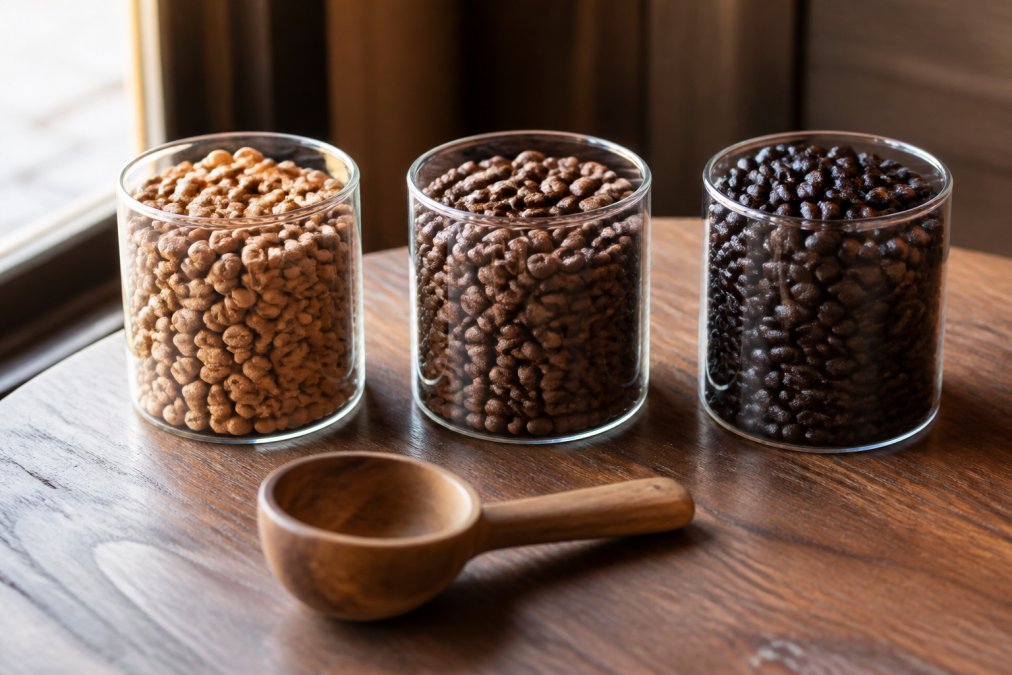
For espresso drinkers who prefer intensity, Ridgeline's 6 Bean Blend is a dark roast crafted as a meticulous blend of beans from around the world. Its bold profile holds up well against milk and sweeteners.

Caffeine and Athletic Performance: What the Science Says
Caffeine is one of the most studied ergogenic aids in sports science. It works by blocking adenosine receptors in the brain, which reduces the perception of fatigue and pain, allowing you to push harder for longer. For athletes, this translates to measurable improvements in endurance, high-intensity interval training, and power output.
Research published in the Journal of the International Society of Sports Nutrition indicates that caffeine can enhance performance in both aerobic and anaerobic activities when consumed 30 to 60 minutes before exercise. The effective dose typically ranges from 3 to 6 milligrams per kilogram of body weight. For a 150-pound (68 kg) athlete, that is roughly 200 to 400 milligrams of caffeine, which translates to about 2 to 4 cups of drip coffee.
Coffee delivers caffeine alongside antioxidants called polyphenols, which may reduce exercise-induced inflammation. Unlike synthetic caffeine supplements, coffee provides a familiar taste and ritual that many athletes find motivating. However, there is a practical difference between a pre-workout supplement and a cup of coffee. Coffee's effect is often more gradual due to the presence of other compounds that slow absorption, which can be beneficial for steady-state endurance work but less ideal for a sudden burst of energy needed for a heavy lifting session.
A standard 8-ounce cup of drip coffee contains roughly 80 to 100 milligrams of caffeine. Espresso packs about 63 milligrams per shot. Those who want extra caffeine without switching to supplements can choose a blend that includes robusta beans, which naturally contain about double the caffeine of arabica.
One often-overlooked factor is the genetic variability in caffeine metabolism. Some people are 'fast metabolizers' and clear caffeine quickly, while others are 'slow metabolizers' and feel the effects for hours. This can impact sleep quality, which is critical for recovery. If you are sensitive to caffeine, avoid coffee within 6 to 8 hours of bedtime to prevent disrupting your sleep architecture, which is when the body releases growth hormone and repairs muscle tissue.
The Breakfast Blend Plus from Ridgeline Company adds robusta to a medium roast house blend specifically for a higher caffeine kick, making it a practical pre-workout option for those who want a higher dose without drinking multiple cups.
How to Store Coffee Beans for Maximum Freshness
Coffee beans stay freshest when stored in an airtight container away from light, heat, and moisture. Whole beans retain their flavor longer than ground coffee because grinding increases surface area and accelerates oxidation.
The most common storage mistake is keeping beans in the freezer or refrigerator. Temperature fluctuations cause condensation, which degrades flavor and introduces odors. Room-temperature storage in a sealed, opaque container is the better approach.
Buying whole beans and grinding only what you need for each brew preserves volatile aromatic compounds. If you must buy pre-ground coffee, use it within one to two weeks of opening. Whole beans maintain peak quality for about one month after roasting.
Vacuum-sealed bags with one-way valves allow carbon dioxide to escape while blocking oxygen. Once opened, transfer beans to an airtight ceramic or glass container. Avoid clear containers on countertops exposed to sunlight.
Home-Barista Troubleshooting: Fixing Common Brewing Problems
Most brewing problems trace back to three variables: grind size, coffee-to-water ratio, and water temperature. When coffee tastes sour, the grind is too coarse or the water is too cool, causing under-extraction. When it tastes bitter, the grind is too fine or the water is too hot, causing over-extraction.
The standard ratio is 1 to 2 tablespoons of ground coffee per 6 ounces of water. Adjust from there based on taste. Weak coffee usually means too little coffee, not a brewing failure.
Channeling occurs when water finds a path through the coffee bed, leaving dry grounds untouched. This often results from uneven tamping in espresso or pouring water too aggressively in pour-over. Fix it by distributing grounds evenly before tamping and pouring in slow, circular motions.
Stale coffee produces flat, cardboard-like flavors regardless of technique. If your coffee suddenly tastes dull, check the roast date on the bag. Beans older than four weeks should be replaced.
Your Next Step to Better Coffee
Improving your daily cup does not require expensive equipment or barista training. Fresh beans, the right grind size, and consistent water temperature will transform your results. Start with one variable at a time: upgrade to whole beans, dial in your grind, then adjust your ratio.
Ridgeline Company offers specialty coffee blends designed for home brewing across all methods. Whether you prefer a dark roast for espresso or a medium roast for drip, single-serve capsule packs and whole-bean options fit your routine. Browse the Ridgeline coffee collection to find a blend that matches your taste.
Great coffee is a small daily victory. The difference between average and exceptional is knowledge and a few simple habits. Pick one improvement this week, apply it consistently, and taste the change. Explore the Ridgeline Company coffee lineup and make your next cup the best one yet.
Frequently Asked Questions
What are the health benefits of drinking coffee?
Coffee is a primary source of antioxidants, which help fight cell damage. Studies link moderate consumption to improved focus, a faster metabolism, and a lower risk of certain diseases. Polyphenols in coffee contribute to these effects. For most people, 3 to 4 cups a day is a safe and healthy amount. The key is to avoid loading it down with excessive sugar and cream, which can offset the benefits.
How do you choose the best coffee beans for your brewing method?
Match the roast to your brewer. For espresso, a dark roast like Ridgeline's 6 Bean Blend is ideal. Its bold profile stands up to the high-pressure extraction. For drip coffee or a French press, a medium roast like our Breakfast Blend offers a balanced, smooth cup. If you use a pour-over, a light roast lets the subtle tasting notes of the origin shine through. Always buy whole beans and grind them right before brewing for the best flavor.
What is the difference between light, medium, and dark roast coffee?
The difference is roasting time and temperature, not caffeine content. Light roasts retain more of the bean's original flavors, tasting bright and acidic with floral or fruity notes. Medium roasts offer a balanced flavor, with more body and a caramel sweetness. Dark roasts are roasted longest, producing a bold, bitter, and smoky flavor with a heavy body. The roasting process creates the flavor profile and determines how the coffee beans will taste in your cup.
How does coffee impact physical performance during outdoor activities?
Caffeine is a proven performance enhancer. It blocks adenosine, a neurotransmitter that makes you feel tired, which can reduce perceived exertion during a long hike or ski. Studies show caffeine can improve endurance and reaction time. A cup about 30 to 60 minutes before activity is a common strategy for athletes. This makes a high-caffeine blend, like our Breakfast Blend +, a practical choice for an active lifestyle.