 how-to
Healthy Ways to Boost Your Morning Coffee?
Last Updated: October 31, 2026
Quick Summary
The healthiest way to boost your morning coffee is to add flavor on purpose rather than by habit. Use one natural sweetener such as honey, a splash of milk or unsweetened plant milk, and a pinch of cinnamon or vanilla, then taste and adjust.
- Start with 1 teaspoon of honey and taste before adding more.
- Choose unsweetened plant milk, since many brands contain added sugar.
- Cinnamon and vanilla add flavor with almost no calories.
- Pair your coffee with protein such as eggs or Greek yogurt.
- Adjust caffeine by smaller cups or an earlier last cup, not extra sugar.
Table of Contents
- Why Your Morning Coffee Is a Good Place to Start
- What to Add to Coffee in the Morning Without Overloading It
- Best Spices for Coffee and How to Use Them
- Healthy Coffee Recipes With Measured Portions
- Pairing Your Coffee With a Balanced Breakfast
- Caffeine Limits, Acidity, and Who Should Take Extra Care
- Setting Up Your Morning Coffee Routine With the Right Tools
- Frequently Asked Questions
Why Your Morning Coffee Is a Good Place to Start
Your morning coffee is one of the easiest habits to improve. You already make it every day, so small changes add up fast. This guide from Ridgeline Trail & Coffee shows simple ways to boost your morning coffee without overloading it with sugar, cream, or extras.
The key idea is simple: add flavor and nutrition on purpose, not by accident. A little cinnamon, a splash of milk, or a spoon of honey can make your cup taste better. Measured amounts keep the drink balanced.
Below, we cover natural sweeteners, milk choices, spices, recipes, and pairing ideas. You will also see how caffeine and acidity affect who should take extra care.
What to Add to Coffee in the Morning Without Overloading It
Most people add more than they need. A few smart additions go a long way.
Start with these basics:
- One sweetener, not three. Pick honey or agave, not both.
- A splash of milk or a plant-based alternative. This adds body without much sugar.
- A pinch of spice. Cinnamon and vanilla add flavor with almost no calories.
- Protein on the side. Pair your coffee with eggs or Greek yogurt.
A common mistake is stacking flavored syrups, creamers, and sweeteners all at once. Each one adds sugar. Start small, taste, and adjust. Learn how extraction affects taste in Coffee Extraction Explained for Home Baristas.
Natural Sweeteners and How Much to Use
Honey and agave are popular choices. Both are sweeter than table sugar, so you need less. A teaspoon of honey usually sweetens a standard 8-ounce cup well.
Try this approach:
- Start with 1 teaspoon.
- Stir well, then taste.
- Add more only if needed.
Reducing added sugar over time helps your taste buds adjust. Many people find they enjoy coffee more after cutting back.
Milk, Cream, and Plant-Based Options Compared
Your milk choice changes both flavor and nutrition. Here is a quick comparison:
| Option | Flavor | Best For |
|---|---|---|
| Whole milk | Rich and creamy | Smooth, full-bodied cups |
| Half-and-half | Very rich | Dessert-style coffee |
| Almond milk | Light, slightly nutty | Lower-calorie drinks |
| Oat milk | Naturally sweet, creamy | Frothy, latte-style drinks |
Unsweetened versions are usually the healthiest pick. Check labels, since many plant milks contain added sugar.
Best Spices for Coffee and How to Use Them
Spices add warmth and sweetness without sugar. A little goes a long way.
- Cinnamon: Warm and sweet. Add a dash to the grounds or your cup.
- Vanilla extract: A few drops add a dessert-like smell and taste.
- Peppermint oil: Just one drop adds a cool, fresh note. Use sparingly.
Add spices before brewing for a deeper flavor, or stir them into your cup after brewing for a brighter aroma. Start with small amounts and build up.
Healthy Coffee Recipes With Measured Portions
These simple recipes use exact amounts so you can repeat them every morning.
Cinnamon Honey Latte
- 8 oz hot brewed coffee
- 4 oz steamed milk
- 1 teaspoon honey
- Pinch of cinnamon
Froth your milk with a milk frother, like the Ovetedot 4-in-1 Electric Milk Frother and Steamer ($44.99). It makes hot or cold foam and warms milk with one button, so your latte is ready in minutes.

Vanilla Oat Cup
Ovetedot 4-in-1 Electric Milk Frother and Steamer, 10 oz →
- 8 oz hot brewed coffee
- 2 oz unsweetened oat milk
- 1/4 teaspoon vanilla extract
If you want a flavored bean instead, try our French Vanilla blend ($24.99). It is a medium roast with a creamy vanilla taste.
Cool Peppermint Cold Brew
- 8 oz cold brew
- 1 tablespoon half-and-half
- 1 drop peppermint oil
Pairing Your Coffee With a Balanced Breakfast
Coffee tastes better and feels better with food. Pair your cup with protein and healthy fats to keep energy steady.
Good pairings include:
- Eggs or egg whites
- Greek yogurt with walnuts
- Chia seed pudding
- Whole-grain toast with avocado
- Ground flaxseed in oatmeal
Skipping breakfast and drinking only coffee can leave you hungry by mid-morning. A protein-rich food helps fill the gap.
Caffeine Limits, Acidity, and Who Should Take Extra Care
This is the part most coffee guides skip, and it is the part that matters most for anyone drinking coffee daily. Here is what the general guidance actually says, and how to apply it to your own cup.
Caffeine limits in plain terms
Health organizations often cite roughly 400 milligrams of caffeine per day as a general ceiling for healthy adults. Some groups should aim lower.
What 400 mg looks like in practice depends heavily on how you brew:
Why caffeine hits people differently
Caffeine affects people differently. Other factors that can shift your response:
- Body weight, smaller bodies generally feel a given dose more.
- Tolerance, daily drinkers often feel less effect at the same dose.
- Timing, a late-afternoon cup can still affect how you sleep.
- Other sources, tea, soda, energy drinks, chocolate, and some supplements and medications stack onto your total.
Signs you may be over your personal limit: restlessness, racing heart, headache, acid stomach, trouble falling asleep, or a crash two to three hours after drinking. If your coffee tastes harsh, see How to Troubleshoot Bitter Tasting Coffee. If those show up, cut the dose or move your last cup earlier rather than adding more sugar or cream to compensate.
Acidity: what actually helps
Coffee is mildly acidic, and for some people that translates to heartburn or stomach discomfort. The acidity comes partly from the roast and partly from the brew. Practical adjustments:
Who should take extra care
- Pregnancy: Talk with your clinician about caffeine limits during pregnancy.
- Medication interactions: Ask your pharmacist whether caffeine interacts with anything you take.
- Anxiety, insomnia, reflux, and heart rhythm conditions: These are the situations where dose and timing matter most. Smaller cups and an earlier cutoff are the first levers.
A simple way to apply this: note when your last cup happens and adjust one variable at a time.
Setting Up Your Morning Coffee Routine With the Right Tools
A good routine starts with a few reliable tools. You do not need a lot of gear.
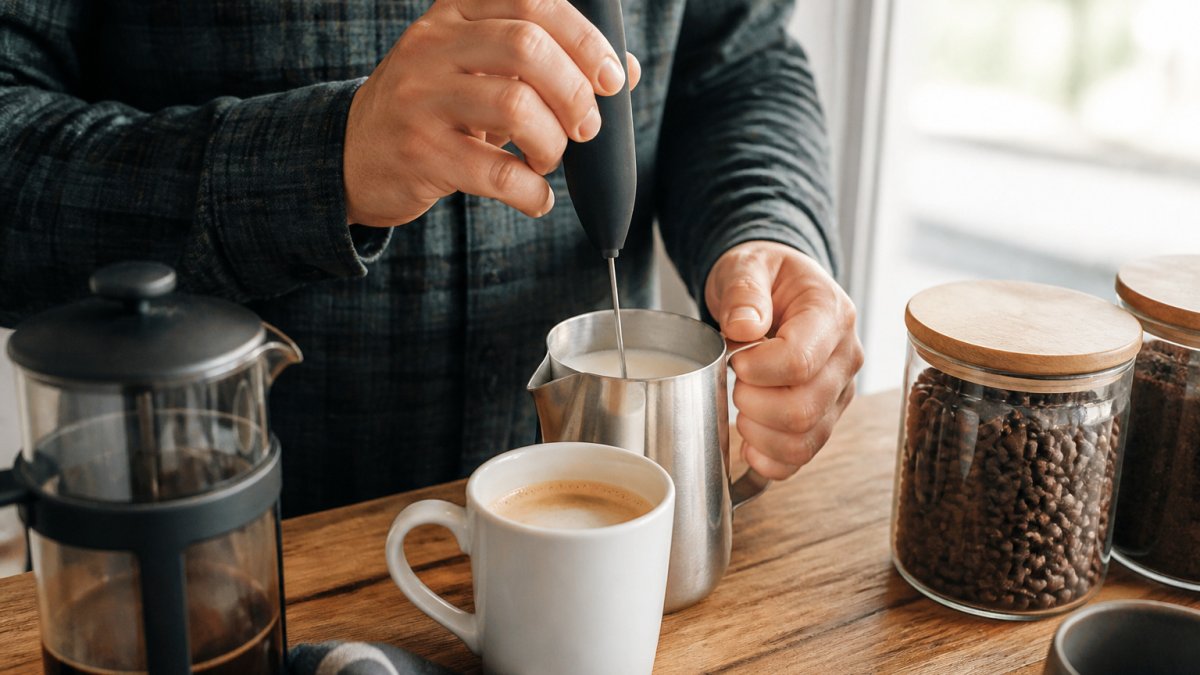
- A milk frother for lattes and foam
- Fresh whole beans ground just before brewing
- A measuring spoon so you use the same amount every day
Set up your station the night before and keep your favorite spices nearby. Consistency makes healthy habits easier to keep.
Frequently Asked Questions
What can you add to coffee in the morning to make it healthier?
Unsweetened milk, a splash of plant-based milk, cinnamon, and a small amount of honey or agave are common choices that add flavor without much sugar. Cinnamon in particular adds sweetness perception without calories. Start with small amounts and taste as you go, since sweeteners and creamers add calories quickly. Measuring a teaspoon of honey instead of pouring freely keeps the added sugar easy to track over a week of mornings.
Which spices go well in coffee?
Cinnamon, vanilla extract, and peppermint oil are the spices and extracts people use most in coffee. A pinch of cinnamon in ground coffee before brewing or a few drops of vanilla extract stirred into the cup gives flavor with no added sugar. Peppermint works best in small amounts, since a single drop can overpower a cup. Adding spices to the grounds before brewing spreads the flavor more evenly than adding them to a finished cup.
How can you make coffee taste better without adding much sugar?
Choose a medium roast or a flavored whole-bean coffee, since flavor comes from the beans before any sweetener goes in. Cinnamon, vanilla, and cocoa powder add perceived sweetness. Cutting the sugar gradually, by a quarter teaspoon at a time over two weeks, lets your taste adjust. Unsweetened milk or a splash of half-and-half can soften bitterness without the sugar of flavored creamers.
Is coffee a healthy part of a morning routine?
For most healthy adults, moderate coffee fits into a morning routine, and the main variable is what goes into the cup. Black coffee adds few calories, while sweetened syrups and whipped toppings add a lot. Caffeine limits vary by person, so pay attention to how you feel after cups in the late morning. Pregnant people, people taking certain medications, and people with heart or acid reflux concerns should check with a doctor before changing their intake.
Build your morning routine with coffee you enjoy and tools that make it easy. Search our catalog at Ridgeline Trail & Coffee today to find the right beans, flavors, and brewing gear for your daily cup.