 how-to
How to Identify High Quality Coffee Beans
Table of Contents
- What Makes High Quality Coffee Beans Different
- How to Tell if Coffee Beans Are Fresh
- Coffee Bean Quality Indicators to Look For
- Understanding Origin, Variety, and Roast Level
- How to Choose Coffee Beans for Your Brewing Method
- Evaluating Aroma and Flavor at Home
- What Certifications and Labels Actually Mean
- Storing Your Beans to Maintain Freshness
- Frequently Asked Questions
Last Updated: October 9, 2026
What Makes High Quality Coffee Beans Different
High quality coffee beans stand out through visible characteristics, freshness, and traceability. The difference between ordinary grocery store coffee and specialty-grade beans comes down to how they're grown, processed, and handled after roasting.
When you're learning how to identify high quality coffee beans, you're essentially training your eye and palate to spot markers that serious coffee drinkers rely on. These markers include bean appearance, aroma strength, roast consistency, and origin information printed on the bag.
At Ridgeline Trail & Coffee, we focus on sourcing beans that meet specialty coffee standards. This means checking for uniformity, proper roasting, and documented origin. The beans you choose will directly affect your brew quality, regardless of your brewing method.
How to Tell if Coffee Beans Are Fresh
Freshness is the single biggest factor in cup quality. Stale coffee tastes dull, bitter, and hollow. Fresh beans deliver brightness, complexity, and the flavor notes the roaster intended.
Check the Roast Date
Look for a roast date printed on the bag, not an expiration date. Coffee stays fresh for about two to four weeks after roasting, depending on storage conditions.
A bag labeled "roasted on October 1st" will taste noticeably better on October 10th than November 1st. The oils in the bean oxidize over time, and flavor compounds fade.
If a bag has no roast date, move on. You have no way to know how long it's been sitting.
Inspect the Packaging and Appearance
Good coffee bags feature a one-way valve. This lets carbon dioxide escape after roasting without letting oxygen in. The valve is a small sign that the roaster cares about freshness.
Check the seal. If it's loose or damaged, oxygen has already entered. The coffee inside will taste stale.
Bags that stand upright with a wide base tend to be fresher than flat, thin bags. Better roasters invest in better packaging because they know it protects their product.
Coffee Bean Quality Indicators to Look For
Once you open the bag, visual inspection tells you a lot. Here's what to look for when evaluating high quality coffee beans.
Bean Size and Uniformity
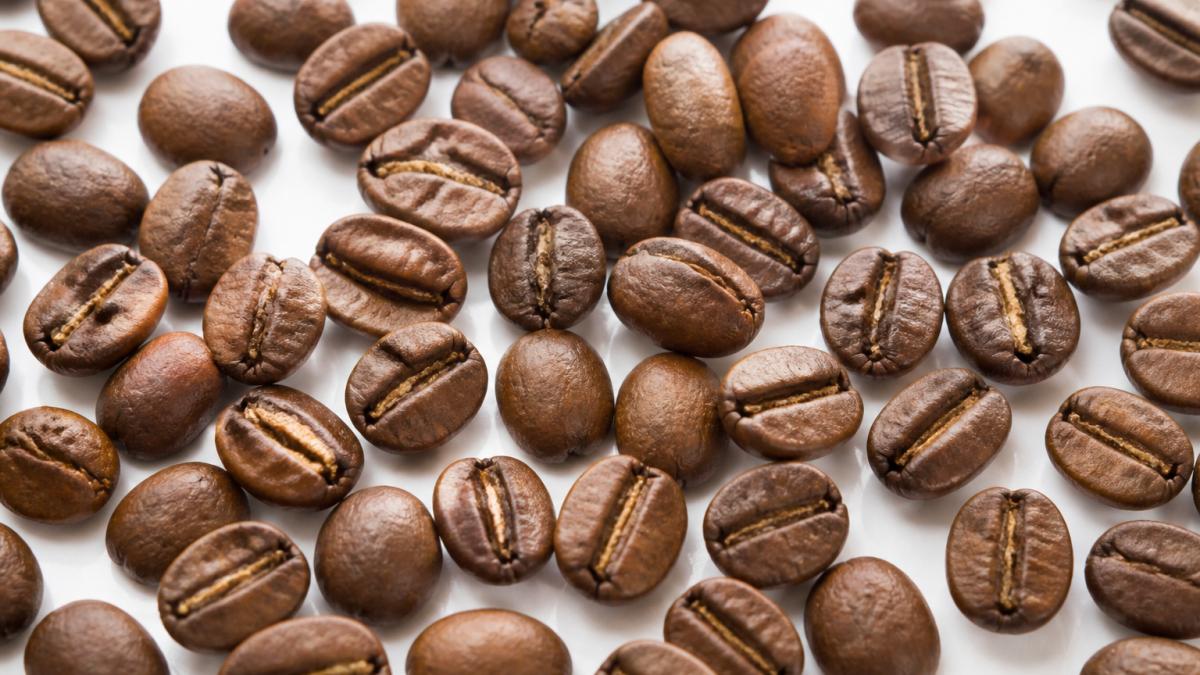
Specialty coffee beans are sorted by size. Uniform beans roast evenly. When beans are wildly different sizes, smaller ones over-roast while larger ones under-roast.
Look at a handful of beans. They should be roughly the same width. A bag with beans ranging from pea-sized to almond-sized is a sign of lower quality sorting.
Single origin beans tend to be more uniform than blends because they come from one farm or region. Blends mix beans from different origins, which naturally creates size variation.

Color and Surface Condition
Roast level determines color, but consistency matters more than darkness. All beans in the bag should be the same shade.
Light roasts look tan to light brown. Medium roasts are chocolate brown. Dark roasts are nearly black with an oily sheen.
Uneven color means uneven roasting. Some beans got more heat than others. This creates inconsistent flavor in your cup.
A matte surface on medium roasts is normal. Oily surfaces appear on darker roasts because heat brings oils to the bean's exterior. If a light roast looks oily, something went wrong in the roasting process.
Defects and Damage
Specialty coffee grading standards count defects carefully. A few broken pieces or small cracks are acceptable. Entire halves missing, dark spots, or visible mold are not.
Look for:
- Broken or cracked beans (minor, acceptable)
- Discoloration or dark spots (sign of mold or damage)
- Insect damage or holes (unacceptable)
- Withered or shriveled beans (indicates poor processing)
Most bags will have one or two broken beans. If you see more than a handful in a 12-ounce bag, the roaster didn't quality-check carefully.
Understanding Origin, Variety, and Roast Level
Where coffee grows, what variety it is, and how it's roasted all shape the final flavor. Understanding these factors helps you choose beans that match your taste preferences.
Single Origin vs. Blends
Single origin coffee comes from one country, region, or even one farm. It showcases the unique characteristics of that place: the soil, altitude, climate, and processing style.
Blends combine beans from multiple origins. Roasters blend beans to create consistent flavor, balance acidity, or highlight specific tasting notes.
Single origins offer more complexity and distinctiveness. Blends offer consistency and are often smoother. Neither is objectively better, it depends on what you want in your cup.
Our Single Origin Favorites Sample Pack lets you taste the difference. Six 2-ounce bags from Brazil, Colombia, Costa Rica, Ethiopia, Honduras, and Tanzania show how origin shapes flavor.
Arabica and Robusta Differences
Arabica accounts for about 60-70% of global coffee production. It grows at higher altitudes and produces complex, nuanced flavors with lower caffeine content.
Robusta grows at lower altitudes and produces bolder, earthier flavors with higher caffeine. It's often used in espresso blends for crema and body.
Most specialty coffee is Arabica. Robusta has a reputation for harshness, though high-quality Robusta exists. If a bag doesn't specify the variety, it's likely Arabica.
How Roast Level Affects Flavor
Roast level is a choice, not a quality marker. Light, medium, and dark roasts are all valid.
Light roasts preserve the bean's origin characteristics. You taste bright acidity, fruity notes, and the terroir. They're closer to the bean's natural flavor.
Medium roasts balance origin flavor with roasted notes. You get some brightness and some chocolate or caramel sweetness.
Dark roasts emphasize roasted flavors: chocolate, molasses, spice. Origin characteristics fade. Dark roasts taste bolder and less acidic.
The "best" roast level is the one you enjoy. Don't assume dark roast means higher quality. Many specialty roasters intentionally use light roasts to showcase origin.
How to Choose Coffee Beans for Your Brewing Method
Different brewing methods extract coffee differently. The grind size, water temperature, and contact time all matter.
Pour-over and drip brewing work well with medium-fine grinds and medium roasts. The paper filter removes oils, so you get clean, bright cups.
Single Origin Favorites Sample Pack →
French press requires a coarser grind and can handle darker roasts. The immersion method extracts oils, creating fuller body.
Espresso needs a fine grind and usually benefits from darker roasts or blends. The pressure extraction works best with beans that have body and sweetness.
Cold brew works with any roast level, but coarser grinds and longer steep times (12-24 hours) bring out smoothness and sweetness.
If you're not sure which beans to buy, start with a medium roast. It works across most brewing methods and showcases both origin and roast characteristics.
The SHARDOR Precision Electric Coffee Grinder makes it easy to adjust grind size for your method.

Evaluating Aroma and Flavor at Home
Your nose and palate are the final judges. Learning to evaluate aroma and flavor takes practice, but anyone can develop this skill.
A Simple Home Cupping Method
Cupping is how professional tasters evaluate coffee. You don't need special equipment to do a basic version at home.
What you'll need:
- Two cups (ceramic or glass, not plastic)
- Hot water just off boil (about 200°F)
- Two different coffees to compare
- A spoon
Steps:
-
Grind beans medium-fine, about the size of sea salt. Use roughly 0.5 ounces (about 14 grams) of coffee per 8 ounces of water.
-
Pour hot water over the grounds. Let it steep for four minutes without stirring.
-
Smell the aroma. Does it smell fruity, floral, nutty, chocolatey, or earthy? Write down what you notice.
-
After four minutes, break the crust by pushing the spoon through the top layer. Smell again. Aromas often intensify after the crust breaks.
-
Let it cool for a minute, then taste. Slurp the coffee to aerate it. This spreads it across your palate and helps you taste nuance.
-
Notice the flavor, body (thickness), acidity (brightness), and aftertaste. Does it taste clean or muddy? Sweet or bitter? Smooth or rough?
-
Compare two coffees side by side. Differences become obvious when you taste them back-to-back.
The Ridgeline Coffee Journal helps you track these observations. You can log aroma, acidity, body, and finish for every bag you brew. Over time, you'll build a reference library of what you like.

What Certifications and Labels Actually Mean
Certifications can signal quality, but they don't guarantee it. Understanding what each label means helps you make informed choices.
Fair Trade means farmers received a minimum price for their beans. It supports farmer welfare but doesn't necessarily indicate flavor quality.
Organic means the beans were grown without synthetic pesticides or fertilizers. Organic farming can produce excellent coffee, but organic doesn't equal high-quality flavor.
Rainforest Alliance certifies sustainable farming practices. Like Fair Trade, it addresses environmental and social impact, not taste.
Specialty Coffee Association (SCA) certified means the coffee scored 80 points or higher on a 100-point scale. This is the closest thing to a flavor quality guarantee. SCA certification requires professional cupping and grading.
Many excellent coffees carry no certifications. Small farms and roasters sometimes skip certification because of cost.
The best indicator is the roaster's reputation. Do they publish roast dates? Do they describe the origin in detail? Do they offer sample sizes so you can try before committing to a full bag?
Storing Your Beans to Maintain Freshness
How you store beans after purchase directly affects flavor. Oxygen, light, heat, and moisture are coffee's enemies.
Store beans in an airtight container away from direct sunlight. A dark cupboard or pantry is ideal. Room temperature is fine, you don't need to refrigerate.
Whole beans stay fresh longer than ground coffee. If you grind beans, use them within a few days. Grinding increases surface area, which speeds oxidation.
Opened bags can be sealed with a clip or transferred to an airtight jar. If you buy in bulk, divide beans into smaller containers.
Avoid freezing unless you're storing beans for months. Freezing works, but thawing can introduce moisture.
The fresher your beans, the more you'll taste the roaster's work. Coffee that's been sitting for months tastes flat no matter how well you brew it.
Learning how to identify high quality coffee beans transforms your daily cup. Start by checking roast dates and bean appearance.
Ridgeline Trail & Coffee's sample packs let you explore without commitment.
Frequently Asked Questions
How can you tell if coffee beans are fresh?
Check the roast date printed on the bag, beans are freshest within 2-4 weeks of roasting. Fresh beans have a uniform color and matte or slightly oily appearance. Smell the beans: fresh coffee has a strong, pleasant aroma. Stale beans smell flat or musty. Store opened bags in an airtight container away from light and heat to extend freshness.
What are the main coffee bean quality indicators?
High quality coffee beans show consistent size and color, with few visible defects like cracks or discoloration. The origin matters, single origin beans from known regions often indicate higher quality. Check for the roast date, bean uniformity, and aroma. Specialty-grade beans have minimal defects and balanced acidity, sweetness, and body when brewed.
How do I choose coffee beans for different brewing methods?
Espresso works best with medium to dark roasts that have enough body and crema potential. Pour-over and drip coffee suit medium roasts that highlight origin flavors. French press pairs well with medium-dark roasts for fuller body. Cold brew benefits from dark roasts. Check the bag label for brewing recommendations, and consider grind size, finer for espresso, medium for drip, coarse for French press and cold brew.
Does roast date matter when buying coffee beans?
Yes. Coffee is freshest within 2-4 weeks of the roast date. Beans roasted more than 6 weeks ago lose flavor complexity and aroma. Always buy from roasters who print roast dates on their packaging. Avoid bags without visible roast dates, as this often indicates older inventory. Freshly roasted beans deliver the best flavor and balance.