 how-to
Layer Smart Apparel for Winter: A Step-by-Step Guide
Table of Contents
- Understanding the Three-Layer System for Smart Apparel
- How Smart Heated Jackets Work Within Your Layering System
- Selecting the Best Base Layers for Heated Jackets
- Step-by-Step Layering Process for Winter Activities
- Common Mistakes to Avoid When Layering Smart Apparel
- Pairing Coffee Rituals With Winter Gear Preparation
- Maintaining Breathability and Comfort Throughout the Day
- Frequently Asked Questions
Last Updated: September 30, 2026
Understanding the Three-Layer System for Smart Apparel
The foundation of staying warm in winter is the three-layer system. This approach combines a moisture-wicking base layer, an insulating mid-layer, and a protective outer shell. When you layer smart apparel for winter, each layer serves a specific purpose that works together to keep you comfortable.
Think of it like building a wall. The first layer stops sweat from touching your skin. The second layer traps heat. The third layer blocks wind and water. Smart heated jackets fit into this system as part of your outer shell or mid-layer, depending on the design.
Base Layer: Moisture-Wicking Foundation
Your base layer sits directly against your skin. Its job is simple: move sweat away from your body so it doesn't sit on your skin and cool you down.
Moisture-wicking fabrics pull perspiration outward and let it evaporate. This keeps you dry even when you're active in cold conditions. Merino wool and synthetic fibers both work well for this purpose.
Key points for base layers:
- Fit snugly but not tight
- Cover your entire torso and limbs
- Avoid cotton (it holds moisture and loses insulation when wet)
- Look for fabrics labeled "moisture-wicking" or "breathable"
Mid-Layer: Insulation and Heat Retention
Your mid-layer traps warm air close to your body. This is where insulation happens.
Common mid-layer materials include fleece, down, and synthetic insulation. Each has trade-offs. Fleece breathes well and dries fast. Down provides excellent warmth but loses insulation when wet. Synthetic insulation performs well in damp conditions.
The mid-layer should fit loosely enough to allow air movement between layers. Too tight, and you reduce the insulating air pockets. Too loose, and heat escapes.
Outer Shell: Wind and Water Protection
Your outer shell blocks wind and water while letting moisture escape. This layer protects everything underneath.
Look for fabrics that are windproof and water-resistant. The outer shell doesn't need to be waterproof for most winter activities. Water-resistant is often better because it allows better breathability.
Smart heated jackets often serve as your outer shell. They combine protection with active heat generation.
How Smart Heated Jackets Work Within Your Layering System
Smart heated jackets use battery-powered heating elements to generate warmth, but their integration into your layering system requires more planning than traditional insulation. The heat radiates from panels built into the jacket, typically in the core and back areas, but the placement of the battery pack and any embedded sensors affects how you layer underneath.
Understanding Battery and Sensor Placement
Most smart heated jackets house the battery pack in a dedicated pocket, often on the lower back or side seam. This placement matters for layering: you need enough insulation beneath the battery to prevent heat loss, but not so much bulk that the pack becomes uncomfortable against your spine during extended wear. The battery itself generates minor heat, which contributes to overall warmth but can also create localized moisture if your mid-layer is too thick in that zone.
Some advanced models include biometric sensors (heart rate, core temperature) woven into the fabric or attached to the heating control unit. These sensors require a stable position against your skin or base layer to function accurately. If your base layer shifts or bunches, sensor readings become unreliable, which defeats the jacket's ability to auto-regulate heat output.
Layering Strategy for Smart Apparel
When you layer smart apparel for winter, the heated jacket works best as your outer layer or as a reinforced mid-layer, depending on the model. However, the presence of electronics changes the traditional three-layer approach slightly:
- Base layer: Must be snug and stable to keep sensors in contact with your body (if equipped). Moisture-wicking is critical because the heating elements amplify sweat accumulation if your base layer allows moisture to pool.
- Mid-layer: Should be thinner than you'd normally wear under a passive jacket. The active heat from the jacket reduces the insulation burden on this layer. A mid-layer that's too thick will cause overheating and excessive sweating, which then cools you rapidly if you turn the jacket off or reduce its heat setting.
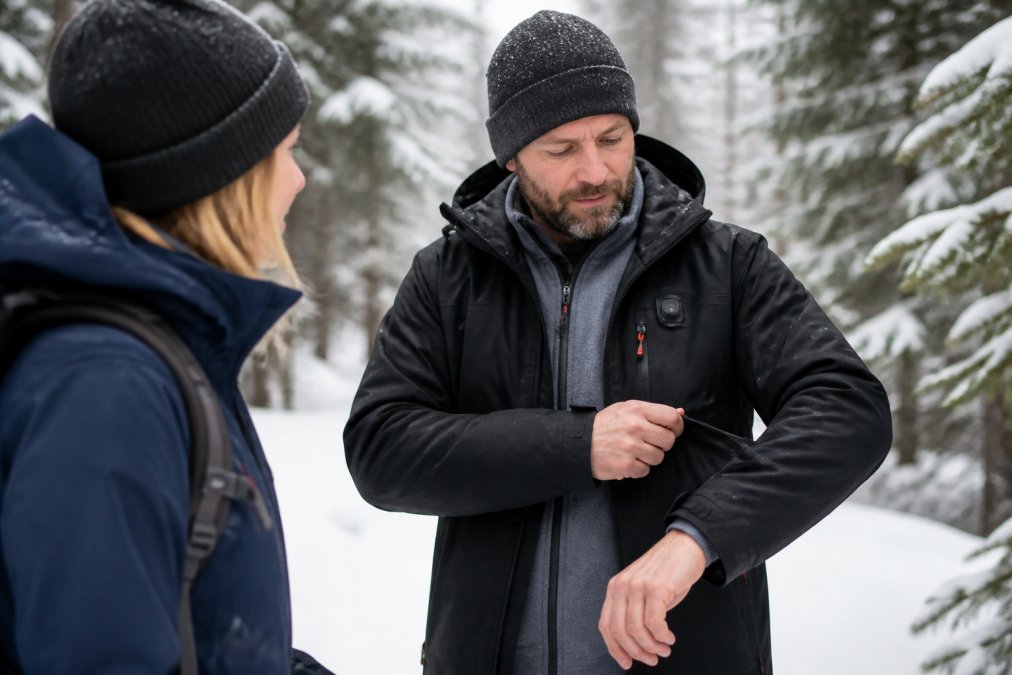
- Outer shell: The smart jacket itself serves this role. Look for models with ventilation mesh panels or underarm zippers, these allow moisture escape without compromising the jacket's water resistance.
Heat Output and Layering Adjustments
Most smart jackets offer 3-5 heat settings. The relationship between heat output and your other layers is non-linear. At the lowest setting, you may need more mid-layer insulation. At the highest setting, a thin mid-layer is sufficient, and you risk overheating if you over-layer.
Connectivity and Fit Considerations
Selecting the Best Base Layers for Heated Jackets
When you wear a heated jacket, your base layer becomes even more important. The base layer must move moisture away from your skin so the heat from the jacket doesn't trap sweat against your body.
Consider these factors:
- Weight: lightweight or midweight, not heavy
- Fit: snug to your body
- Material: merino wool or synthetic blends
- Seams: flat seams reduce irritation under a heated jacket
Step-by-Step Layering Process for Winter Activities
Proper layering takes planning. Start by assessing your conditions, then build your outfit systematically.
Assessing Temperature and Activity Level
Different activities generate different amounts of body heat. A person sitting while fishing produces less heat than someone skiing.
Cold-weather activity levels:
- Sedentary (fishing, standing watch): Start with more insulation
- Moderate (casual skiing, hiking at steady pace): Balance insulation and breathability
- Vigorous (racing, intense climbing): Prioritize breathability and moisture management
Temperature ranges guide your layer choices:
- Above 40°F: Light base layer, thin mid-layer, outer shell
- 20-40°F: Moisture-wicking base, insulating mid-layer, smart jacket
- Below 20°F: Thermal base layer, thick mid-layer, heated jacket on high setting
Dressing for Extended Outdoor Sessions
Long days outdoors require different planning than short trips. Your body's heat output changes over time.
For extended sessions:
- Start slightly cool. You'll warm up as activity begins.
- Wear your base layer and mid-layer before putting on the heated jacket.
- Turn on the jacket at a moderate setting once you're outside.
- Keep spare gloves and a hat accessible.
- Bring a lightweight insulating layer you can add if you stop moving.
Managing Removal and Adjustment
Removing layers during activity is awkward. Plan ahead to minimize this.
If you do need to remove layers:
- Stop in a sheltered location
- Remove your outer shell first
- Adjust your mid-layer
- Put your outer shell back on quickly
- Keep removed layers in a pack, not tied around your waist
Common Mistakes to Avoid When Layering Smart Apparel
Most layering problems come from simple oversights. Knowing these mistakes helps you avoid them.
Pairing Coffee Rituals With Winter Gear Preparation
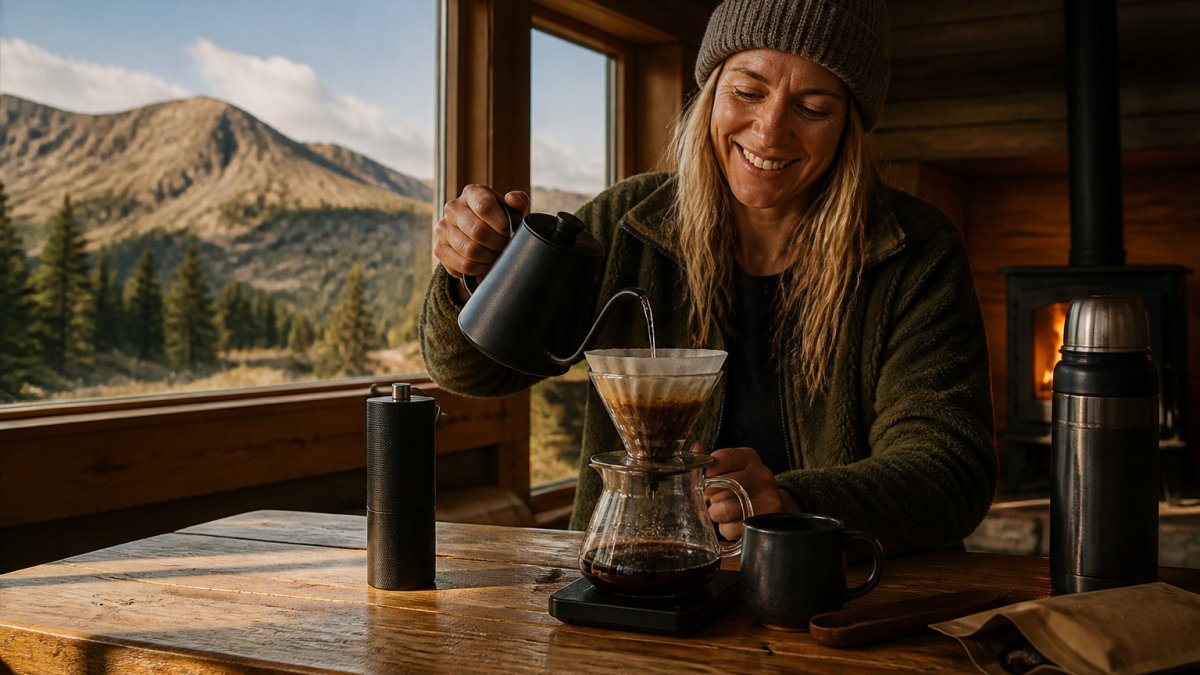
Winter outdoor activities demand preparation. One often-overlooked ritual is a quality coffee routine before heading out.
Consider this sequence:
- Brew your coffee while checking weather conditions
- Sip while you gather your gear
- Review your layering plan while the warmth settles
- Dress in your layers while the coffee cools
- Finish your cup before heading out
Maintaining Breathability and Comfort Throughout the Day
Breathability matters as much as insulation. Poor breathability traps moisture, which defeats your entire layering system.
Signs your layers aren't breathing well:
- Moisture visible on your base layer after 30 minutes
- Clammy feeling under your jacket
- Cold spots developing after you stop moving
- Sweat running down your back instead of wicking outward
Solutions:
- Loosen your mid-layer slightly to increase air movement
- Reduce your jacket's heat setting to decrease moisture production
- Open ventilation panels if your jacket has them
- Take a 5-minute break every hour to let layers dry
Frequently Asked Questions
What is the three-layer rule for winter clothing?
The three-layer system consists of a moisture-wicking base layer that pulls sweat away from your skin, an insulating mid-layer that traps warm air, and a windproof outer shell that blocks cold air and precipitation. When using smart apparel, your heated jacket typically replaces or works alongside the mid-layer. This approach maintains thermal regulation while allowing you to adjust layers as your activity level and temperature conditions change throughout the day.
How do smart heated jackets fit into a traditional layering system?
Smart heated jackets function as an enhanced mid-layer or outer layer, providing active heat retention through embedded heating elements. They work best when paired with a moisture-wicking base layer underneath to manage sweat and maintain breathability. The jacket's insulation and heating technology reduce the need for bulky traditional insulation, allowing you to stay warm without excessive garment weight. Most smart jackets are designed to accommodate a thin mid-layer beneath them for optimal comfort and temperature control.
What are common mistakes people make when layering for winter with smart apparel?
The most frequent error is wearing cotton base layers, which retain moisture and reduce thermal regulation, choose synthetic fibers or merino wool instead. People also over-layer, creating bulk that restricts mobility and increases overheating during activity. Another mistake is neglecting to test your heated jacket's battery life and charging requirements before extended outings. Finally, many fail to adjust layers as activity intensity changes, leading to either excessive sweating or sudden chilling when activity stops.
What should you wear under a smart heated jacket for best results?
Wear a moisture-wicking base layer made from synthetic materials or merino wool to manage sweat and maintain breathability. Add a thin insulating mid-layer like fleece if temperatures drop below freezing or if you'll be stationary for long periods. Avoid bulky sweaters or cotton, these trap moisture and reduce the jacket's heating effectiveness. The goal is to create a heat-retention system where the base layer moves moisture away, the mid-layer adds insulation, and the smart jacket provides active warmth without creating excessive bulk or restricting your movement.
Winter layering with smart apparel requires understanding how each layer works. Start with a moisture-wicking base, add insulation in your mid-layer, and protect everything with a smart heated jacket. Ridgeline Trail & Coffee helps you prepare for these adventures with premium gear and quality coffee to fuel your morning ritual. Master the three-layer system, avoid common mistakes, and you'll stay comfortable through long winter days outdoors.